For many UK landlords there comes a point when a rental stops earning its keep. Rising maintenance costs, longer void periods and changing regulation can turn a once-reliable investment into an unprofitable rental, and when that happens the sensible move is often to sell. The difficulty is that a vacant or tenant-worn property is one of the hardest things to market well, which is why so many landlords endure a slow sale and disappointing offers.
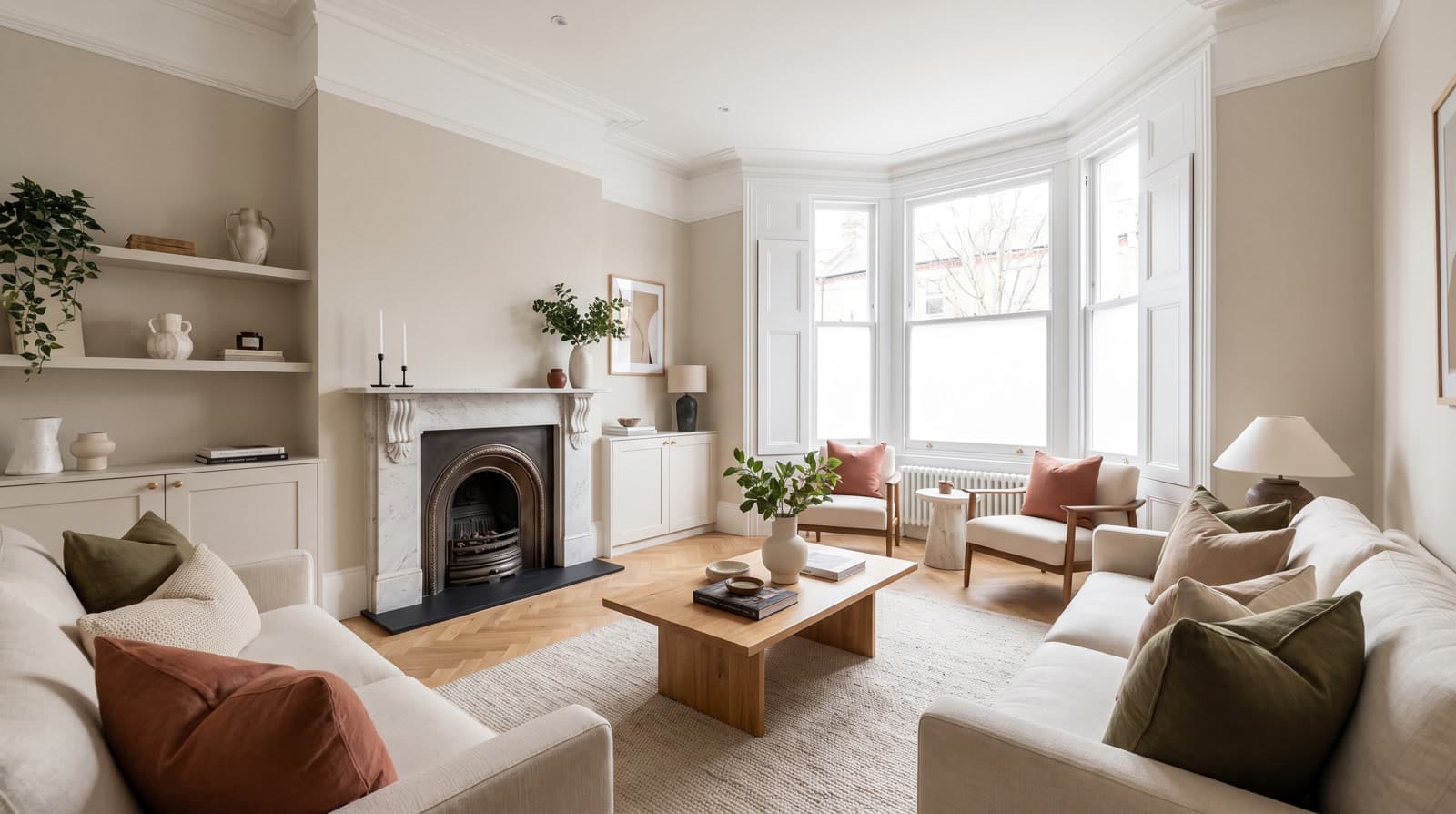
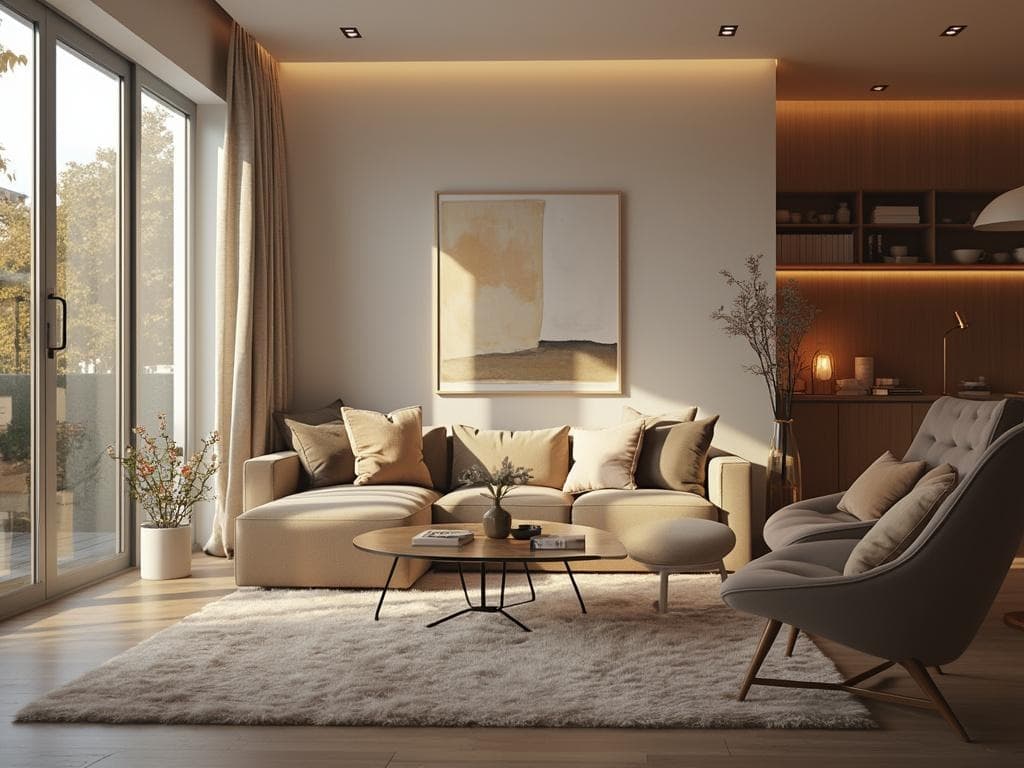
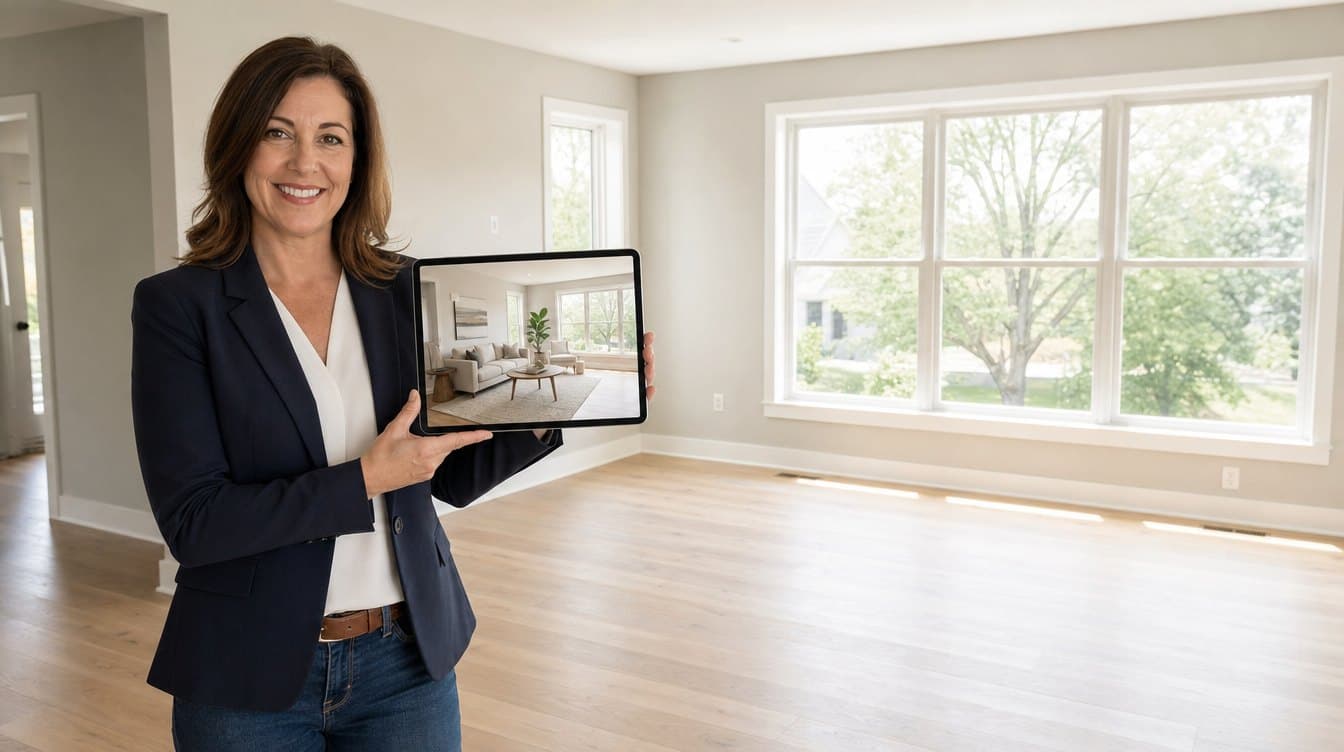
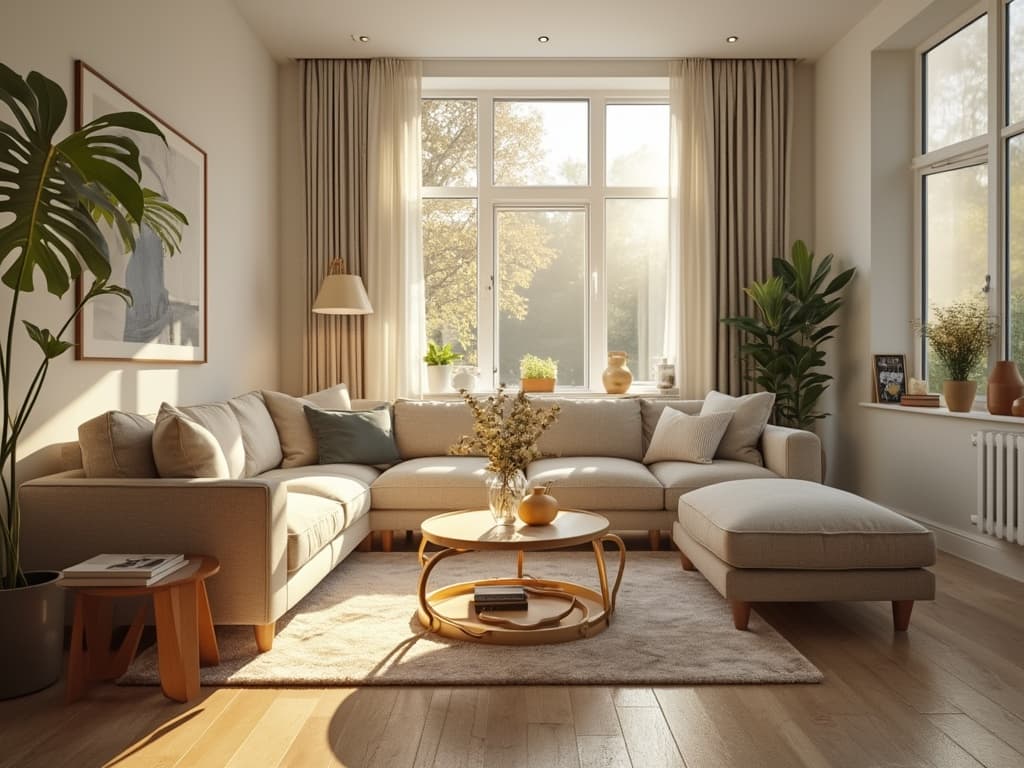
AI virtual staging tackles the problem at its source. It digitally furnishes photographs of empty rooms so buyers see a warm, liveable home instead of a bare shell, and it can declutter and remove leftover items from tenant-worn spaces so the property looks cared for. Using a platform such as StageRight AI, each photograph is staged in about a minute, which means even a tired ex-rental can go to market looking its absolute best.
Why is a vacant rental so hard to sell?
Perception is reality in property marketing. When buyers view photos of an empty rental, they rarely see a blank canvas; they see sterile, uninviting rooms. Their eyes go straight to the minor flaws (scuffed walls, worn carpet, the odd abandoned wardrobe) that would fade into the background in a well-presented home. Without furniture to give a sense of scale, rooms can even look smaller than they really are.
Traditionally the fix was physical staging: hiring a designer, renting furniture and managing the logistics of moving everything in and out. It can cost thousands of pounds and take weeks to arrange, which defeats the purpose for a landlord who wants a quick, profitable exit. Every extra week on the market is another week of council tax, insurance and mortgage interest on a property earning nothing.
What is AI virtual staging and how does it work?
AI virtual staging uses artificial intelligence to furnish and decorate photographs of empty or outdated rooms. The technology reads each room's dimensions, lighting and architectural features, then adds furniture and decor that look genuinely real, down to the shadows and reflections. For tenant-worn properties it can also declutter the frame and remove unwanted items, so leftover belongings never drag the presentation down.
The process is straightforward for the landlord:
- Take photos: ordinary photographs of the vacant property are all that is needed; good natural light helps, but professional kit is not essential.
- Choose a look: pick a furnishing style that suits your target buyer, whether that is a first-time buyer, a young family or a downsizer.
- Let the AI stage the room: furniture, rugs, art and accessories are added with correct scale, perspective and lighting, in about a minute per photo.
- List with market-ready images: the staged photos are ready for the portals, brochures and social media straight away.
What are the benefits for landlords selling up?
For a landlord exiting an unprofitable rental, digital staging addresses the core challenge directly: it makes the property attractive to a far wider pool of buyers, not just investors hunting for a discount.
- Serious cost savings: virtual staging costs a small fraction of physical staging, preserving your capital for whatever comes next.
- More buyer interest: listings with furnished, well-presented photos tend to earn more clicks and enquiries, which drives viewings and competition.
- A faster sale: stronger presentation shortens the sales cycle, cutting the void costs that make a slow sale so painful.
- Awkward rooms, solved: a well-placed digital sofa or dining table instantly demonstrates how an oddly shaped or small room works, answering buyer objections before they arise.
- A cleaner look without a clear-out: decluttering and item removal deal with tenant leftovers digitally, so you can list before the skip arrives.
How should landlords plan a profitable exit?
Selling a former rental requires a shift in mindset from landlord to vendor. The goal is no longer yield; it is the strongest possible sale price in the shortest possible time, and presentation is the lever that moves both.
Picture a vacant two-bedroom flat that has seen better days. Listed with photos of empty, boxy rooms, it attracts bargain hunters. Staged as a chic, modern home aimed at first-time buyers, with a plush bed and warm lighting in the main bedroom and the second bedroom shown as a home office, the same flat becomes a genuinely desirable property that invites stronger offers. Nothing about the flat has changed except how buyers see it.
Frequently asked questions
Is virtual staging allowed in the UK?
Yes, provided it is used honestly. Staged images should show furniture that could realistically fit in the room, listings should state that photos have been virtually staged, and nothing structural should be altered or concealed.
How much does AI virtual staging cost?
Plans start at £29.99 a month, a fraction of the thousands that physical staging can cost, and far less than the void costs most landlords absorb during a slow sale.
Do I need professional photography?
No. AI virtual staging works from ordinary photos, so a decent phone camera and good daylight are enough to produce convincing, market-ready staged images.
An empty flat does not have to mean a slow, discounted sale. Present it as the home it could be, and buyers will respond. Try the live demo on the StageRight AI homepage and see your own listing transformed in about a minute.