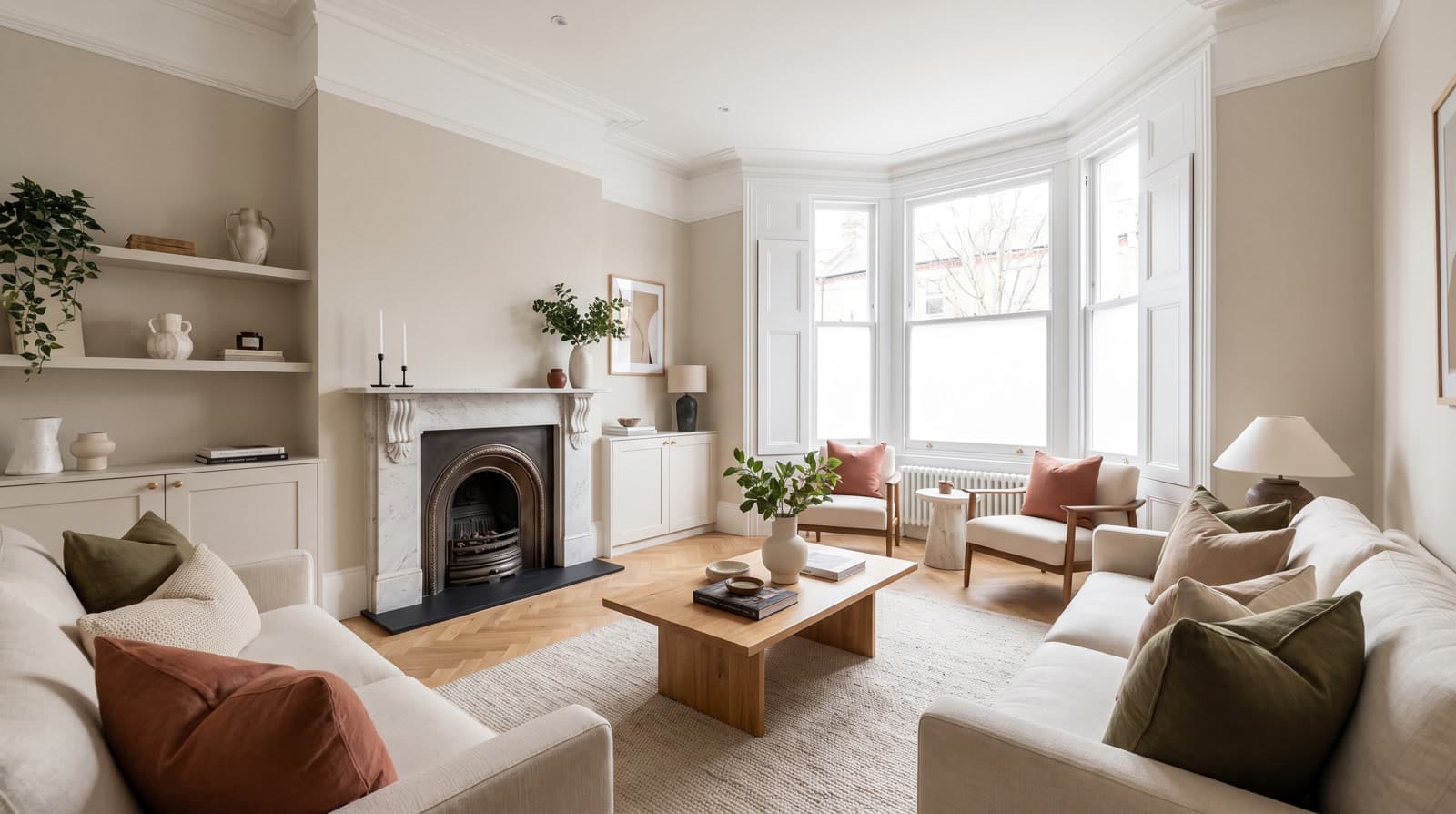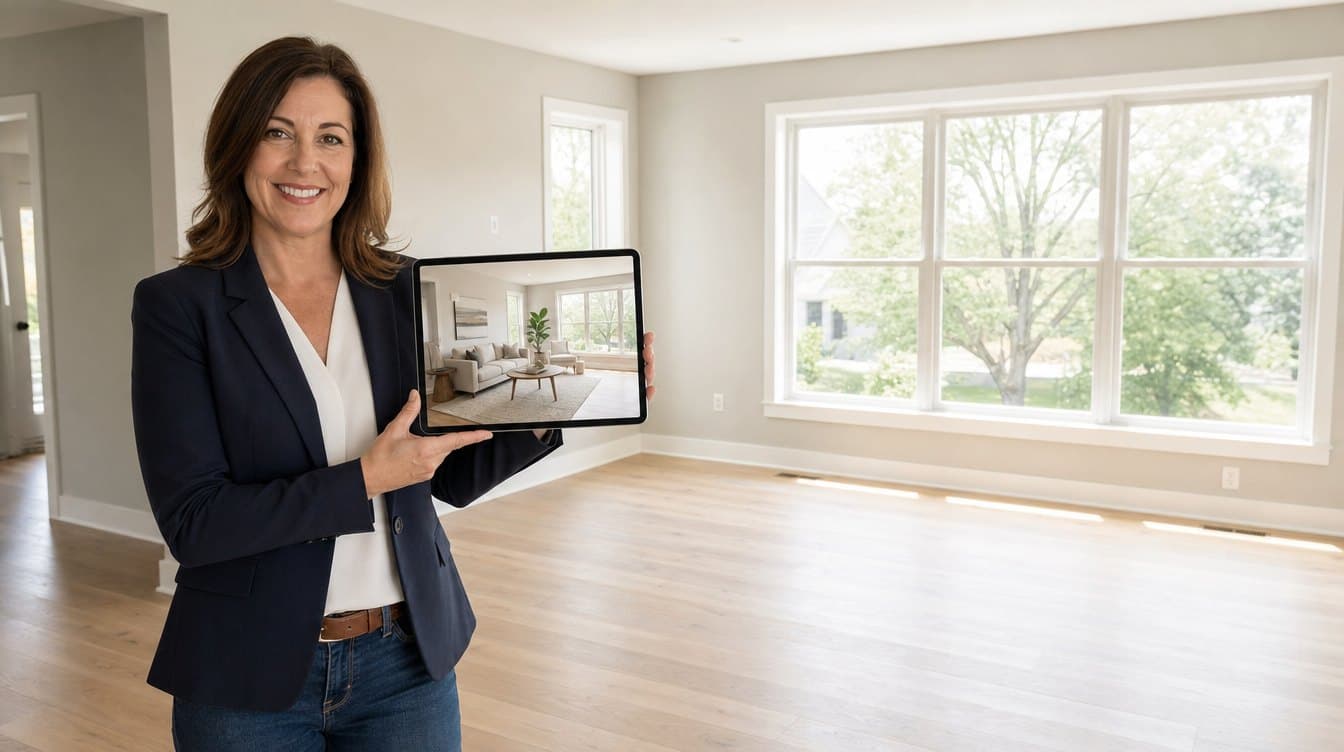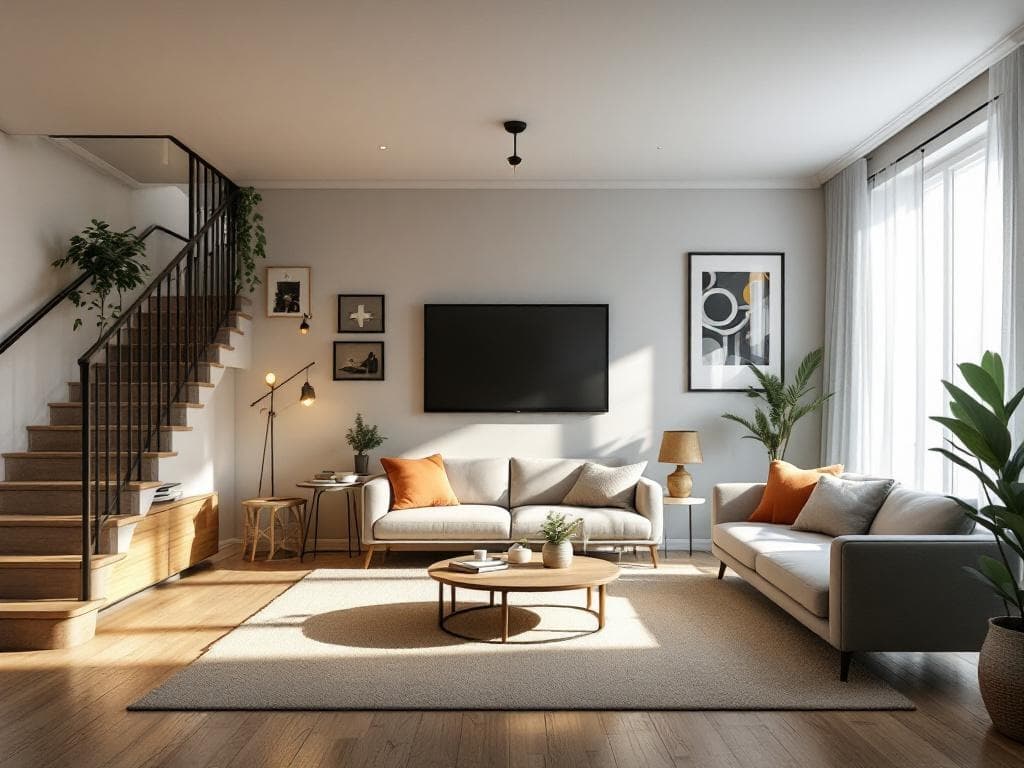
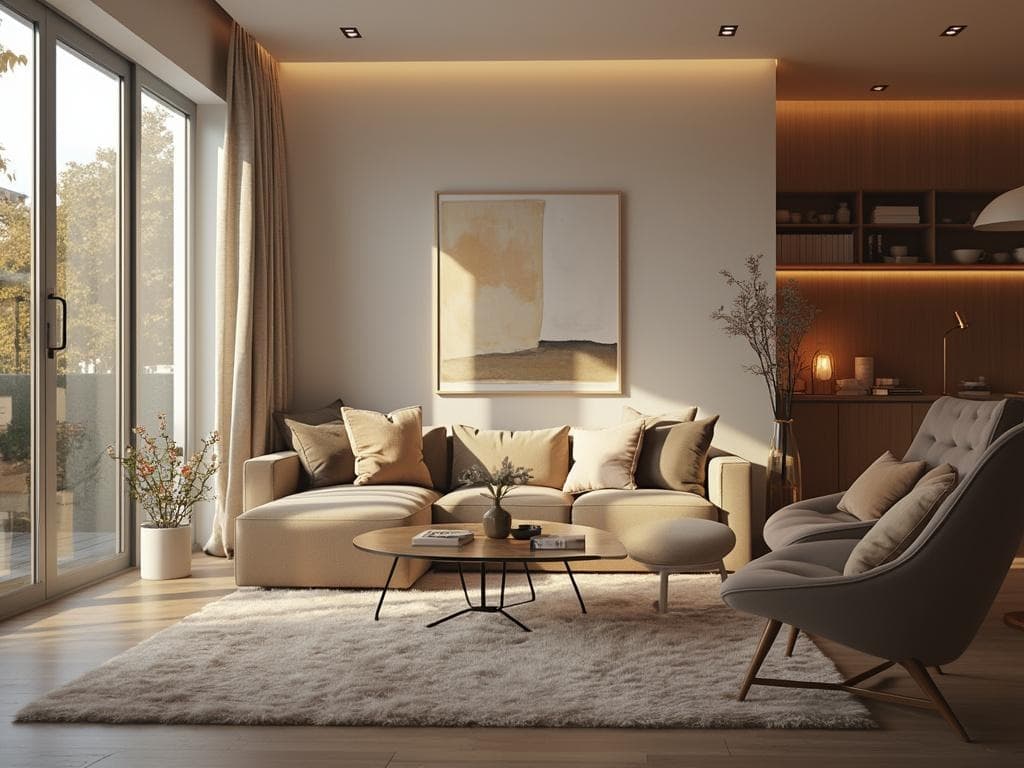
A problem rental rarely struggles to sell because of what it is. It struggles because of what buyers see: tired décor, dated kitchens and empty rooms that photograph cold and small. Meanwhile the bills keep landing. Mortgage payments, council tax, insurance and utilities do not pause while a vacant property sits on the market.
AI staging gives landlords a fast, affordable way to change what buyers see. It digitally furnishes, declutters and enhances your existing listing photos, so a property that reads as a money pit starts reading as potential. With StageRight AI, an ordinary photo becomes a professionally staged image in about a minute, and plans start at £29.99 a month. This guide explains how the technology works, why it is so effective on difficult properties, and how to use it responsibly.
What is AI staging and how does it work?
AI staging is a form of virtual staging that uses artificial intelligence to furnish and decorate photographs of empty or outdated rooms. There is no furniture hire and no design agency. You upload a photo, choose a style, and the software produces a photorealistic image of the room fully staged.
Done well, this is far more than dropping a sofa onto a picture. The AI reads the room's proportions, lighting and perspective, then places furniture and décor that genuinely fit the space. Alongside staging, StageRight also handles decluttering and item removal as well as photo enhancement, which matters when you are marketing a property straight after a difficult tenancy.
How does it compare with other types of staging?
| Factor | Physical staging | Traditional virtual staging | AI staging |
|---|---|---|---|
| Cost | Typically thousands of pounds | Designer fees per photo | Low monthly plans |
| Speed | Days or weeks to install | Usually a day or more per batch | About a minute per image |
| Flexibility | Changes are slow and costly | Revisions need designer time | Restyle a room in minutes |
| Logistics | Deliveries, access and removal | None beyond photography | None beyond photography |
Physical staging still earns its keep on premium homes where the in-person experience justifies the outlay. For a landlord trying to stop a problem property draining money, speed and cost usually decide the matter, and AI staging wins comfortably on both.
Why do problem properties struggle to sell?
Buyers decide with emotion first and logic second. When someone views a dated or distressed property, they start a mental tally: new kitchen, new flooring, full redecoration. That perceived cost is almost always higher than the real cost, and it translates directly into low offers or no offers at all.
Empty rooms compound the problem. Without furniture, buyers find it genuinely hard to judge scale, so rooms feel smaller and colder than they are. And because nearly every property search now starts online, a weak set of photos means many buyers never book a viewing at all. The property is judged, and dismissed, in seconds on a portal listing.
How does AI staging turn a money pit into a marketable property?
AI staging works because it changes the story a listing tells, from "this needs a lot of work" to "look what this could be". In practice it helps landlords solve five common problems:
- Dated décor. Present a modern vision of a tired room, so buyers respond to the potential rather than the wallpaper.
- Vacant, echoing rooms. Digital furniture adds warmth and gives every room a clear purpose.
- Leftover tenant clutter. Decluttering and item removal clean up photos taken before a full clear-out, so you can list weeks earlier.
- Awkward layouts. Sensible furniture placement shows how an odd-shaped room actually works as a living space.
- A narrow buyer pool. Because restyling is quick and cheap, you can present the same room in different looks for different audiences: warm and family-friendly for one, sleek and minimal for another.
How do you get the best results from AI staging?
The output is only ever as good as the input photo and the strategy behind it. A simple process gets landlords the strongest results:
- Prepare the space. Clear what rubbish you can and open every blind and curtain. Natural light gives the AI a far better canvas, and item removal can tidy whatever you cannot shift.
- Shoot wide and steady. A modern smartphone is fine. Stand in a corner, shoot towards the centre of the room and keep the camera level.
- Match the style to the buyer. A family house near schools calls for warm and practical; a city-centre flat suits contemporary and minimal. Neutral, light styles have the broadest appeal.
- Lead the listing with your strongest staged image. The first photo is what earns the click on the property portals.
- Pair before and after shots. Showing the unstaged room alongside the staged version builds trust and makes the potential unmissable.
- Label staged images clearly. A simple "virtually staged" note manages expectations and keeps your marketing honest.
What does AI staging cost compared with leaving the property empty?
Physical staging typically runs into the thousands once furniture hire, delivery, installation and removal are counted, and it takes weeks to arrange. Traditional virtual staging is cheaper, but you still pay designer fees per photo and wait on turnaround for every revision.
AI staging replaces all of that with a low monthly plan. StageRight plans start at £29.99 a month, covering staging, decluttering and photo enhancement from photos you can take yourself. Set that against the true cost of an unsold problem property: every extra month vacant means another mortgage payment, another round of bills and another month of capital locked into an asset going nowhere.
For most landlords the question is not whether the staging pays for itself. It is how many months of carrying costs a faster sale removes.
Is it ethical to stage a problem property with AI?
Yes, provided you use it to show potential rather than to hide problems. UK consumer protection rules require property listings to be accurate and not misleading, so there are clear lines that should never be crossed:
- Never use staging to conceal structural defects such as damp, cracks or subsidence.
- Never alter the physical structure of a room, for example adding windows or removing walls.
- Never misrepresent a room's size or proportions.
Within those lines, AI staging is a legitimate marketing tool doing what good marketing has always done: presenting a property at its best. Label staged images, keep unstaged photos available, and let the viewing and the survey do their job. In our experience an honest "here is the room, and here is what it could be" framing turns a weakness into a selling point.
Frequently asked questions
How much does AI staging cost for landlords?
StageRight plans start at £29.99 a month, which includes AI virtual staging, decluttering and item removal, and photo enhancement. There are no designer fees, furniture hire costs or per-room charges, so staging an entire property costs a small fraction of a single month's running costs on a vacant rental.
Do I need professional photos to use AI staging?
No. AI staging works from ordinary photos, and a modern smartphone shot taken in good light is usually enough. Clean the room as best you can, open the curtains, shoot from a corner, and let the software handle the rest. Photo enhancement can also lift dull or dark shots.
Do I have to tell buyers the images are virtually staged?
You should, yes. Labelling images as virtually staged and keeping the original photos available keeps your listing honest, satisfies the expectation that marketing must not mislead, and in our experience builds rather than dents buyer confidence.
A problem property does not have to stay a money pit; in most cases it is simply a property that photographs badly. Fix what buyers see and you change what they offer. The quickest way to judge whether AI staging can do that for your property is the live demo on the StageRight AI homepage: upload a photo of your worst room and watch what about a minute of AI staging does to it.