For the majority of UK property listings, virtual staging is the stronger choice: it is faster to arrange, dramatically cheaper over the life of a listing, and far easier to change when the marketing needs a refresh. Physical staging still earns its keep in a narrower set of situations, chiefly show homes and premium developments where buyers walk through furnished rooms in person. This guide compares the two on the dimensions that genuinely matter to estate agents, landlords and developers: cost, speed, scalability, flexibility, occupied homes and honest presentation.
What is the difference between virtual and physical staging?
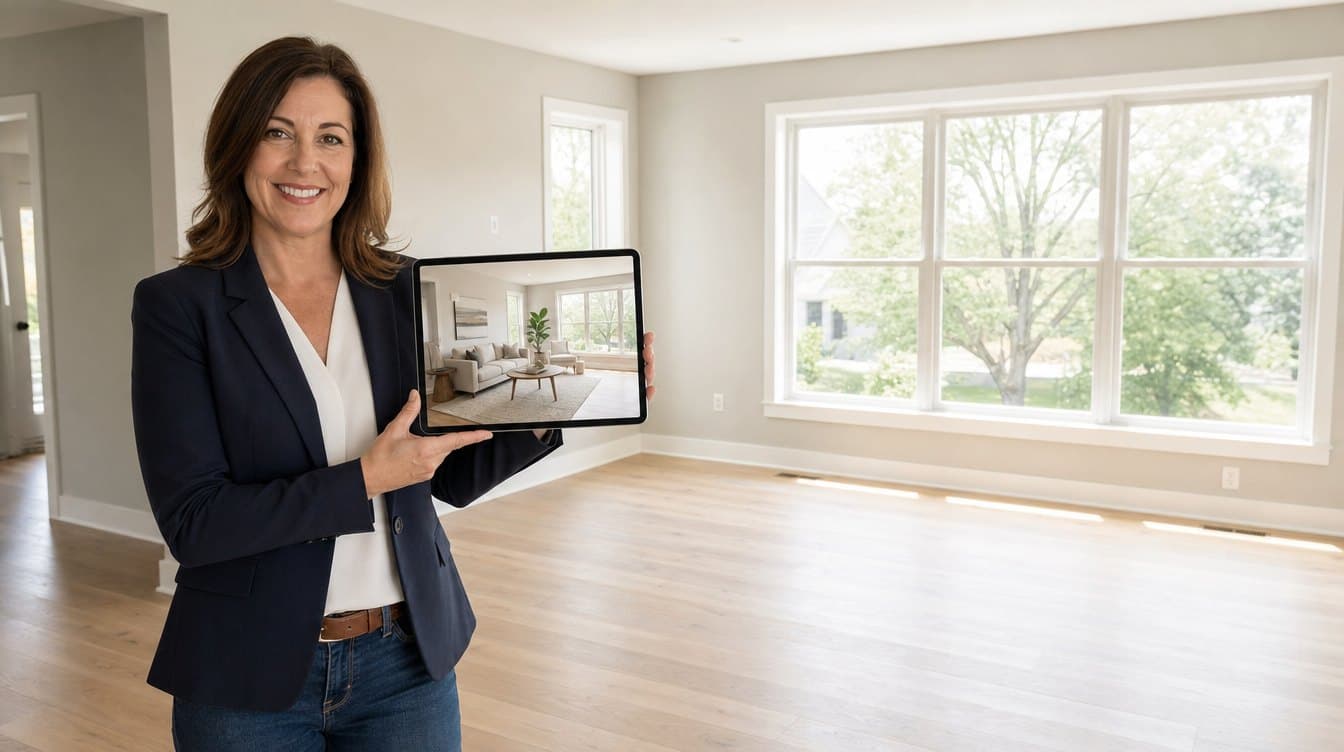
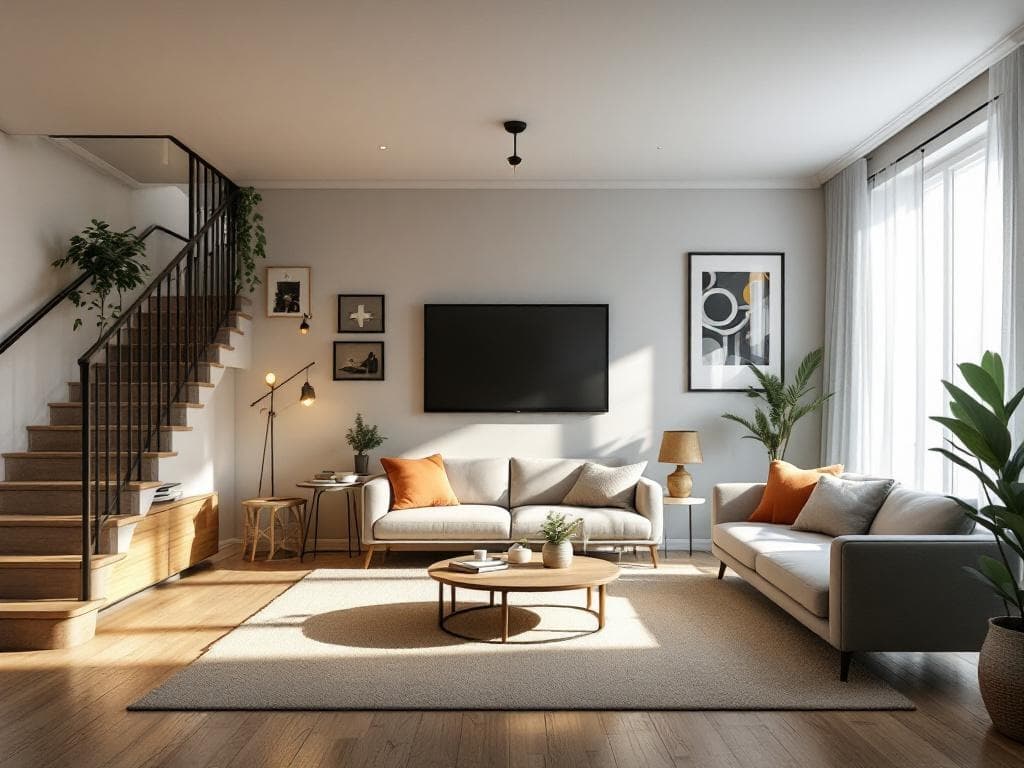
Physical staging means hiring real furniture, artwork and accessories, having them delivered and installed, and keeping them in the property for as long as it is being marketed. Virtual staging means taking ordinary photographs of the empty rooms and using software to add realistic furniture and decor digitally. The property stays empty; only the marketing images change. Modern AI tools have turned what used to be a slow design job into a desk task, with a staged image ready in about a minute.
How do the costs compare?
This is where the two diverge most sharply, because they have different cost structures, not just different price tags.
Physical staging is a rental commitment. You typically pay for a design consultation, furniture hire on a contract with a minimum term, delivery and installation, and collection at the end. For a whole house, those elements commonly add up to thousands of pounds over a listing period, and the bill keeps growing the longer the property takes to sell.
Virtual staging is priced like software: a subscription or a per-photo fee that is a small fraction of furniture hire. StageRight AI plans start at £29.99 a month, which covers staging across multiple listings rather than a single property. Crucially, the cost does not grow with days on market; whether the home sells in a week or four months, the staging is already paid for.
How quickly can each get a listing to market?
Every day a property waits for staging is a day it is not in front of buyers. Physical staging involves consultations, furniture selection, scheduling a delivery slot and installation, which routinely stretches across days or weeks. Virtual staging works on the photographs you already have: upload an image and a staged version comes back in about a minute. A property photographed in the morning can be live on the portals, fully staged, the same afternoon.
Virtual staging vs physical staging at a glance
| Dimension | Virtual staging | Physical staging |
|---|---|---|
| Cost structure | Low monthly subscription or per-photo fee; does not grow with time on market | Furniture hire, delivery and collection; commonly thousands of pounds over a listing period |
| Speed | Staged images in about a minute per photo | Days to weeks for design, delivery and installation |
| Scalability | Stage an entire portfolio from one desk | Each property needs its own furniture, logistics and contract |
| Restyling | Multiple styles of the same room at no extra logistical effort | One scheme; changing it means new furniture and new costs |
| Occupied or tenanted homes | Works from photos; digital decluttering avoids disturbing occupants | Usually impractical while tenants or owners are living in the property |
| In-person viewings | Rooms are empty on the day; images must be labelled as virtually staged | Buyers experience the furnished space physically |
| Best suited to | Standard sales and lettings stock, portfolios, vacant and tenanted homes | Show homes, premium developments, prime listings |
Which approach scales across a portfolio?
For an agency marketing dozens of homes, a landlord selling several rentals, or a developer with a phase of near-identical units, physical staging multiplies its costs and logistics with every extra property. Virtual staging scales the way software does: the tenth listing is as quick and cheap to stage as the first, with no vans, warehouses or hire contracts to coordinate.
Can you restyle a staged property?
With physical staging you commit to one look. If the modern scheme leaves traditional buyers cold, changing it means new furniture, new logistics and new invoices. Virtual staging is fully reversible and endlessly restyleable. The same empty bedroom can be presented as a calm double room for downsizers, a home office for professionals, or a nursery for young families, all from one photograph. If a listing goes stale, you can relaunch it in a completely different style without anyone visiting the property.
What about tenanted or lived-in properties?
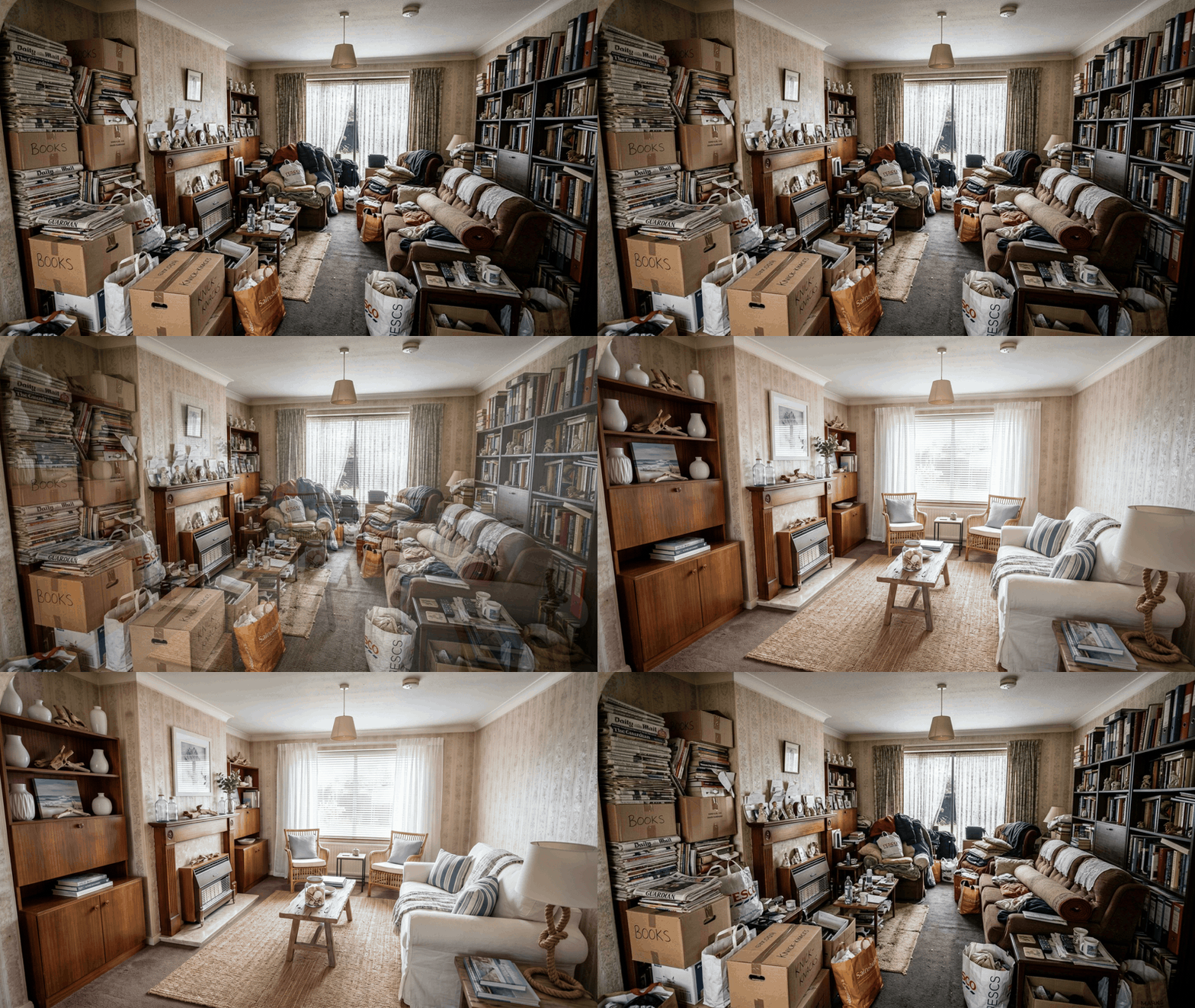
Physical staging assumes an empty home, which rules it out for a large share of real-world stock. Landlords selling with tenants in situ, and owners still living in the property, cannot realistically have hire furniture installed around their daily lives. Virtual tools handle this well: AI decluttering and item removal tidy personal belongings out of the marketing photos without a single item moving in the actual home, keeping tenants undisturbed and the listing presentable.
Should virtually staged images be disclosed?
Yes. UK consumer protection rules require property marketing not to mislead, and the widely accepted best practice is simple: label virtually staged images clearly, on the image or in the caption, and keep an unedited original available on request. Honest labelling protects the agent, sets accurate expectations, and avoids wasted viewings from buyers who expected a furnished home. Used this way, virtual staging is a visualisation aid, not a deception.
When does physical staging still win?
- Show homes on new developments. A furnished show home lets buyers touch, sit and linger, which no photograph can replicate.
- Premium and prime listings. At the top of the market, the in-person experience often carries the sale.
- Listings that sell at the viewing. Where footfall is strong and decisions happen in the property, physically furnished rooms work on the buyer's emotions in the moment.
Many developers now run a hybrid model: one physical show home for the flagship experience, with virtual staging marketing every other plot online at a fraction of the cost.
Frequently asked questions
Is virtual staging cheaper than physical staging?
Substantially, yes. Furniture hire, delivery and installation commonly total thousands of pounds over a listing period. Virtual staging is a low monthly subscription or per-photo fee, and the cost stays flat however long the sale takes.
How long does virtual staging take?
With AI tools, about a minute per photo from an ordinary photograph of an empty room. A whole property can be staged and live on the portals the same day.
Do virtually staged photos need to be labelled in the UK?
Best practice, and the safest reading of UK rules against misleading marketing, is to label them clearly as virtually staged and keep the original photo available. Transparent labelling builds buyer trust rather than undermining it.
To see the difference on your own listing photo, StageRight AI has a live demo on the homepage: upload an empty room and watch it staged in about a minute.