
For Sale By Owner, or FSBO, is the American term for what UK agents know as the private seller: a homeowner determined to sell without an agent and keep the fee for themselves. These sellers are usually intelligent, motivated and convinced that an agent adds little they cannot do with a phone camera and a portal listing. Winning their instruction takes more than a polished pitch. It takes a demonstration of marketing they cannot replicate on their own, and AI virtual staging is one of the most persuasive demonstrations an estate agent can offer.
In practical terms, the approach is simple: take one photograph of the seller's most important room, return with a beautifully staged version of it, and let the contrast make your argument. This guide breaks down why that works and how to build it into your valuation appointments.
Why do private sellers go it alone?
The motivation is almost always financial. A private seller sees the agency fee as the largest single cost of their sale and believes the photography, portal listing and viewings are things they can manage themselves. Many have sold before. Some have watched a neighbour do it. Their core objection to instructing you is blunt: "Why do I need you?"
That question cannot be answered with promises. Telling a private seller you will "market the property properly" sounds like exactly the sort of vague reassurance they expect from an agent. What changes minds is tangible evidence, ideally evidence involving their own home. Your pitch should be about outcomes they can see, not services they have to take on trust.
What is AI virtual staging?
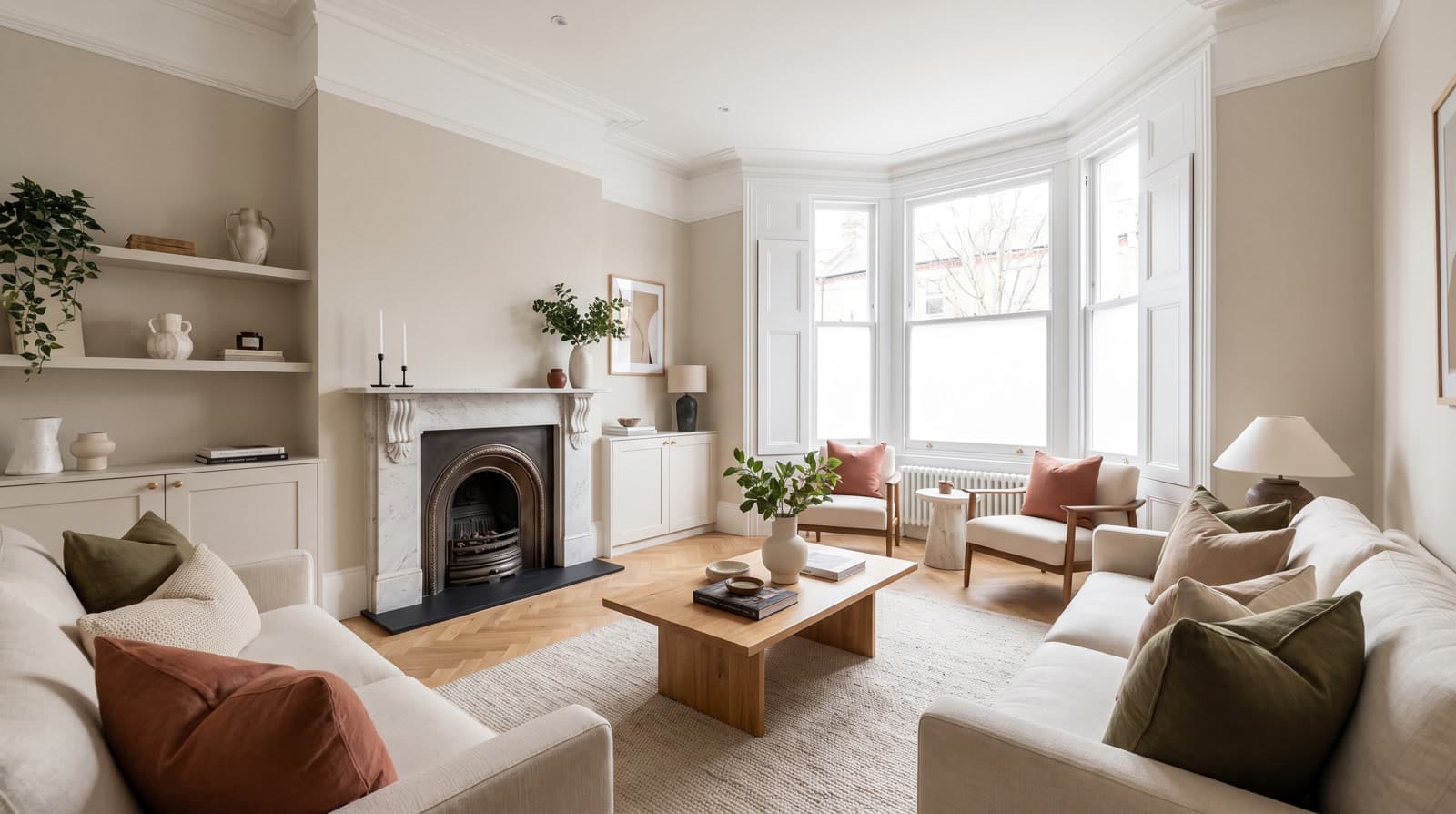
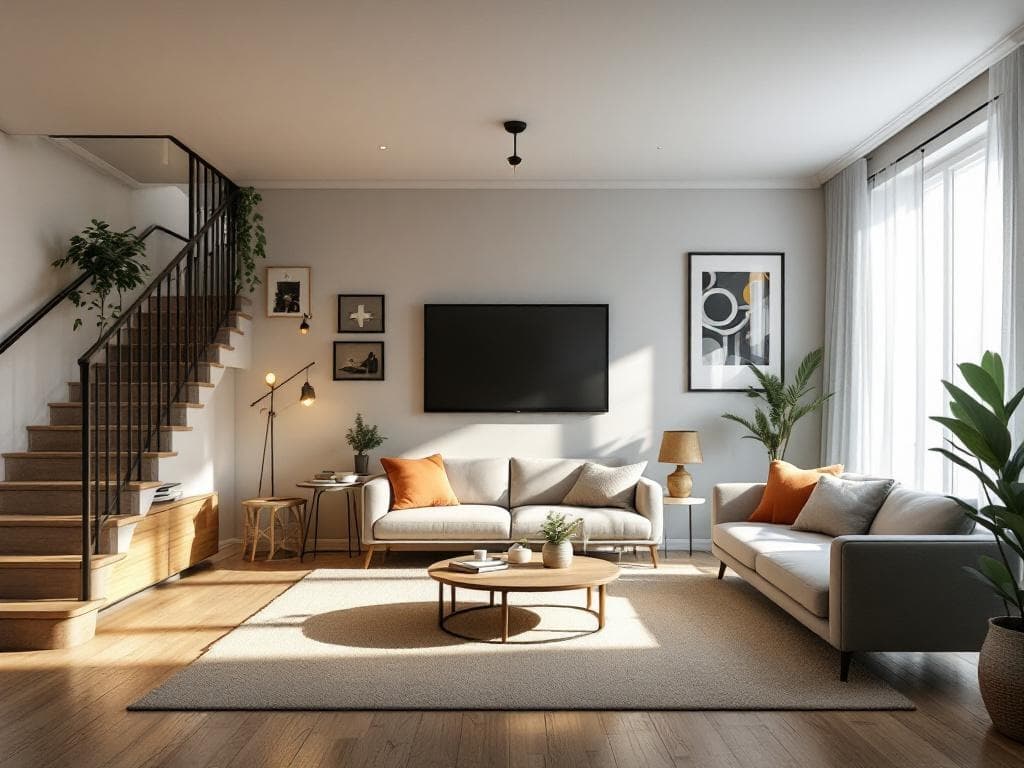
AI virtual staging uses artificial intelligence to furnish, style and enhance ordinary property photographs. An empty room photographed on a phone becomes a warm, realistically furnished living space; a cluttered one becomes clean and neutral. Tools such as StageRight AI do this from standard photos in about a minute, with no photographer, no furniture hire and no waiting days for an edit.
The reason it matters is emotional rather than technical. Empty rooms photograph poorly: buyers struggle to judge scale, and there is nothing to help them imagine their own life in the space. Listings that fail to make that emotional connection tend to linger. Staged images give buyers a furnished, aspirational version of the room while staying honest about the space itself.
How do you use virtual staging to win the instruction?
Used well, virtual staging is not a service you describe at a valuation. It is a demonstration you perform. Here is a process we see work again and again:
- Listen first. At the initial meeting, focus on the seller's goals and their reasons for selling privately. Before you leave, ask for (or take) a photo of the most important room, usually the living room or main bedroom.
- Create the "wow" moment. Stage that photo before your follow-up conversation. Because AI staging takes about a minute per image, you can even do it in the car outside. Present the original and the staged version side by side.
- Let the contrast do the selling. The gap between a flat phone photo of a bare room and a professionally staged image is usually the moment a seller understands what professional marketing actually looks like. You are no longer describing value; you are showing it.
From there, the conversation naturally shifts from what you charge to what you deliver, which is exactly where you want a fee discussion to sit before you ask for a sole agency agreement.
How do you answer the classic FSBO objections?
"I can take great photos on my phone"
Agree with them. Modern phone cameras are genuinely good, and those photos are a perfectly usable starting point. Your role is to elevate them: staging empty rooms, removing clutter and enhancing tired images so the listing tells a story buyers connect with. That is a level of presentation a private seller cannot easily produce alone, and it reframes you as a marketing strategist rather than a middleman.
"I don't want to pay for expensive staging"
Again, agree. Traditional physical staging means furniture hire, delivery and weeks of cost, and for many homes it is hard to justify. AI virtual staging delivers the visual impact at a small fraction of that cost, and because it sits inside your marketing plan, the seller is not asked to pay for it separately. You are not adding an expense to their sale; you are removing one while improving the result.
Why does this approach secure sole agency agreements?
A private seller who has seen their own living room transformed holds evidence, not promises. That evidence does three things: it proves you invest in marketing before you are even instructed, it demonstrates capability they cannot replicate, and it moves the conversation from fee percentage to sale outcome. Sellers instruct agents they believe will achieve a better result, and sole agency terms are far easier to agree once you have shown rather than told.
Frequently asked questions
Is virtual staging allowed in UK property listings?
Yes, provided it is used honestly. Stage empty or cluttered rooms and enhance lighting, but do not add features that do not exist or hide genuine defects, and always label images as virtually staged. Transparent use protects you and builds trust with buyers.
How quickly can I show a seller a staged photo?
With StageRight AI, a standard photo is staged in about a minute, fast enough to prepare a side-by-side comparison between a morning valuation and a follow-up call the same day.
How much does AI virtual staging cost?
Plans start at £29.99 a month, which comfortably covers a working agent's pipeline of instructions. Full details are on our pricing page.
Ready to put this to work on your next valuation? Try the live demo on the StageRight AI homepage, stage a photo of your own, and walk into your next FSBO conversation with the one thing a private seller cannot argue with: proof.